

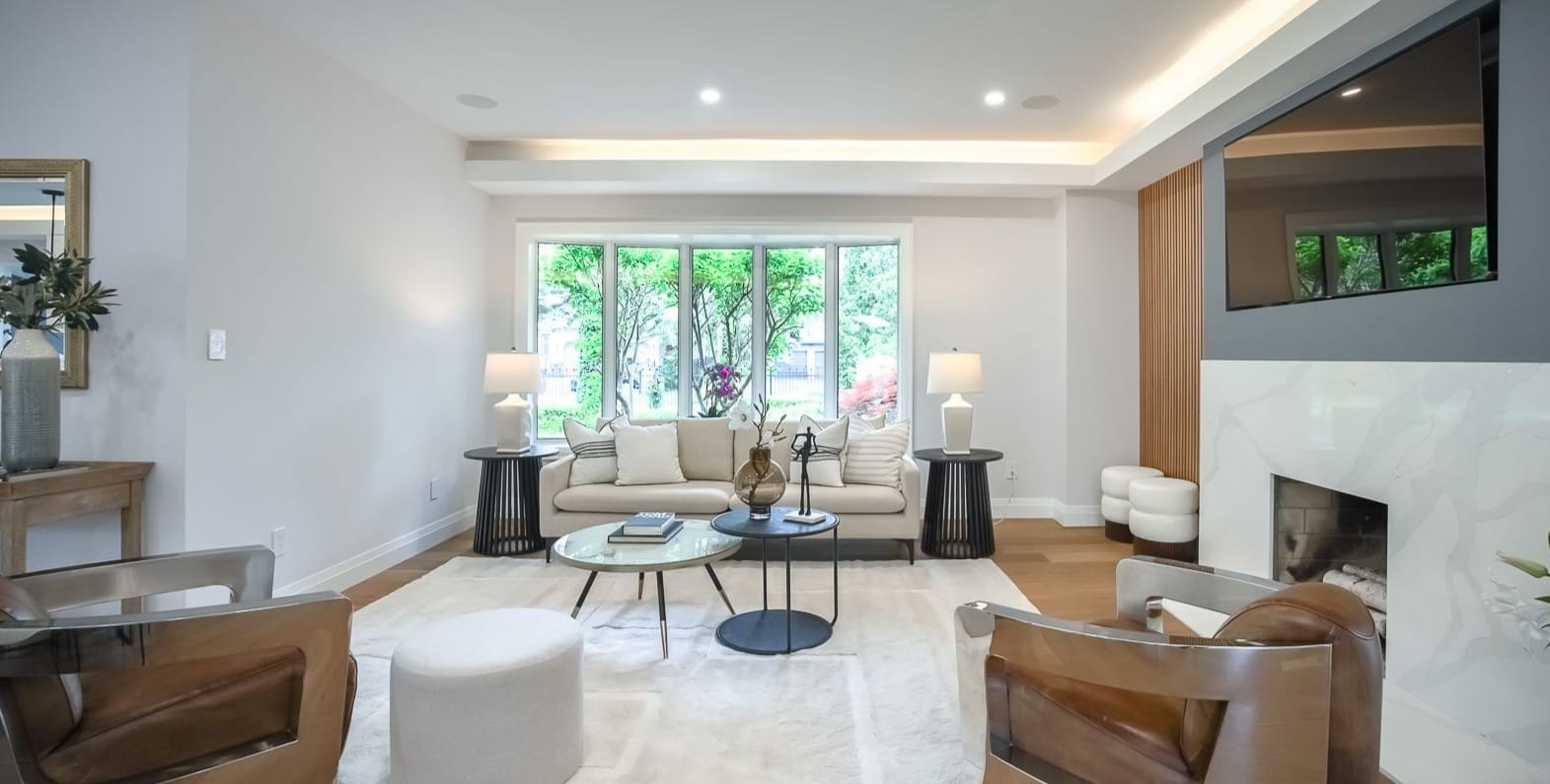
Home staging in Toronto typically costs between $150 for a basic consultation and $10,000 or more for full vacant staging of a larger property. Most sellers pay somewhere in the middle: occupied staging generally runs $1,500 to $3,500, while vacant and condo staging starts around $2,000. The exact cost depends on property size, whether the home is occupied or empty, how many rooms are being staged, and how much furniture the stager needs to bring in.
This guide covers what staging costs for each service type, what drives those costs, and how to think about the return on investment in the current Toronto market. Pricing and context draw in part from StyleBite Staging, a Toronto-based company that has staged over 1,000 homes across the GTA.
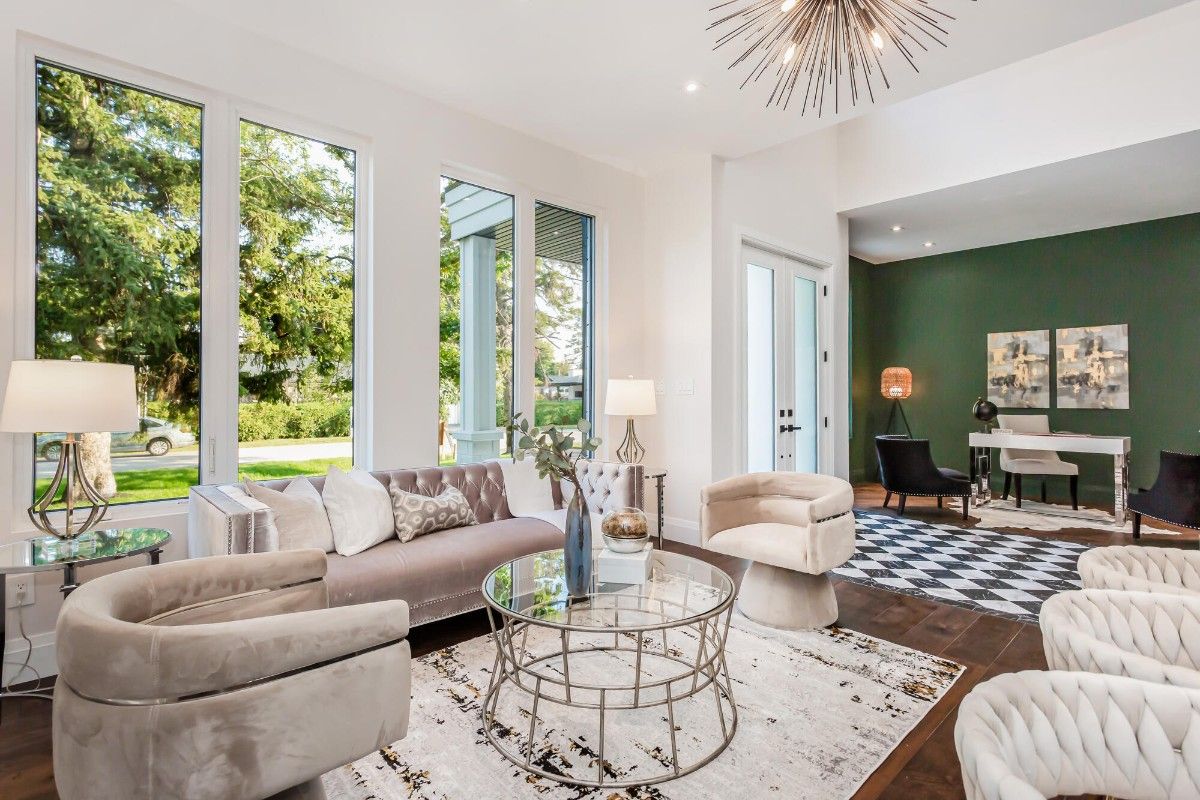
What Affects Home Staging Costs in Toronto
Staging quotes vary widely because every property is different. These are the variables that move the number most significantly:
- Occupied vs. vacant: Occupied staging uses your existing furniture as the foundation and supplements it with professional pieces. Vacant staging requires the stager to supply everything. That difference in inventory is the single biggest cost driver.
- Property size: Larger homes require more furniture, more accessories, and more labor. A 600-square-foot condo and a 3,000-square-foot detached home are entirely different projects.
- Number of rooms staged: Most stagers focus on key rooms rather than every space in the home. The living room, kitchen, and primary bedroom tend to have the highest impact on buyers. Adding rooms increases cost.
- Inventory requirements: Properties that need only accent pieces and accessories cost less than those requiring a complete furniture package.
- Logistics: Downtown Toronto high-rises often involve elevator bookings, loading dock coordination, and parking constraints. These add time and cost compared to a suburban property with easy access.
Home Staging Costs by Service Type
| Service | Typical Cost (CAD) | Notes |
|---|---|---|
| Consultation | $150 – $600 | 1-2 hour onsite walkthrough with room-by-room recommendations. |
| Occupied Staging | $1,500 – $3,500+ | Uses existing furniture, supplemented with professional pieces and accessories. One-month rental typically included. |
| Vacant Staging | $2,000 – $10,000+ | Full furniture and accessory package. Scales with property size and number of rooms. |
| Condo Staging | $2,000 – $5,000+ | Requires right-scale furniture and specific lighting strategies. |
| Model Home Staging | Custom | Project-based pricing for builders and developers. |
Standard staging contracts in Toronto cover a 30-day rental period. If your listing is still active after that, renewal fees apply to extend the furniture rental. Most companies charge 10–30% of the initial contract fee per additional 30-day period, which on a typical Toronto staging contract translates to roughly $300–$1,800 per month depending on the scope of the package. It’s worth asking about renewal terms before you sign, particularly in the current market where some properties are taking longer than 30 days to sell.
Consultation Costs: $150 – $600
A staging consultation is a 1-2 hour walkthrough where a professional evaluates your home room by room. You’ll leave with a prioritized task list, furniture layout recommendations, paint color guidance, and a clear picture of what staging would involve if you move forward.
Consultation fees range from $150 to $600 across Toronto, depending on the stager and whether they provide a written report. Many companies credit the consultation fee against the staging invoice if you proceed. For homeowners who plan to handle preparation themselves and want professional direction, a consultation often delivers the highest return per dollar spent.
At StyleBite Staging, the consultation is $250 and is credited in full toward staging if you move forward with their services.
Occupied Staging Costs: $1,500 – $3,500+
Occupied staging is something many homeowners don’t realize is possible. You continue living in your home while the staging team works around your existing furniture, bringing in supplementary pieces and accessories to lift the overall presentation.
Occupied staging in Toronto typically falls between $1,500 and $3,500, with the final number driven by home size and how much inventory the stager needs to bring in. Pricing at the lower end usually reflects smaller properties or homes where the existing furniture is already in good shape. Larger homes or those with dated decor tend to require more supplementary inventory and land at the higher end.
Occupied staging typically includes:
- Detailed decluttering recommendations before staging day
- Supplementary items: artwork, mirrors, plants, cushions, throw pillows, and accent furniture
- Professional styling of each room on installation day
- Guidance on maintaining the look for showings throughout the listing period
Here’s a walkthrough of a recent occupied staging project that sold over asking:
Vacant Staging Costs: $2,000 – $10,000+
Vacant staging is the most comprehensive service. When a property is empty, everything needs to come from the staging company: sofas, dining tables, beds, rugs, lamps, artwork, and all accessories. That’s why the starting point is higher.
For a standard condo or smaller home, vacant staging in Toronto typically starts around $2,000. For larger detached homes requiring a complete furniture package across multiple rooms, costs commonly run $5,000 to $10,000. Partial staging of key rooms only (living room, kitchen, primary bedroom) is a budget-conscious option that most stagers offer.
One important question to ask any staging company: do they own their inventory or rent it from a third-party supplier? Companies that source externally pass on the rental markup and can face availability delays that affect your timeline. StyleBite Staging owns all of their inventory and operates a 7,000 square foot warehouse, which eliminates the middleman and makes scheduling more flexible.
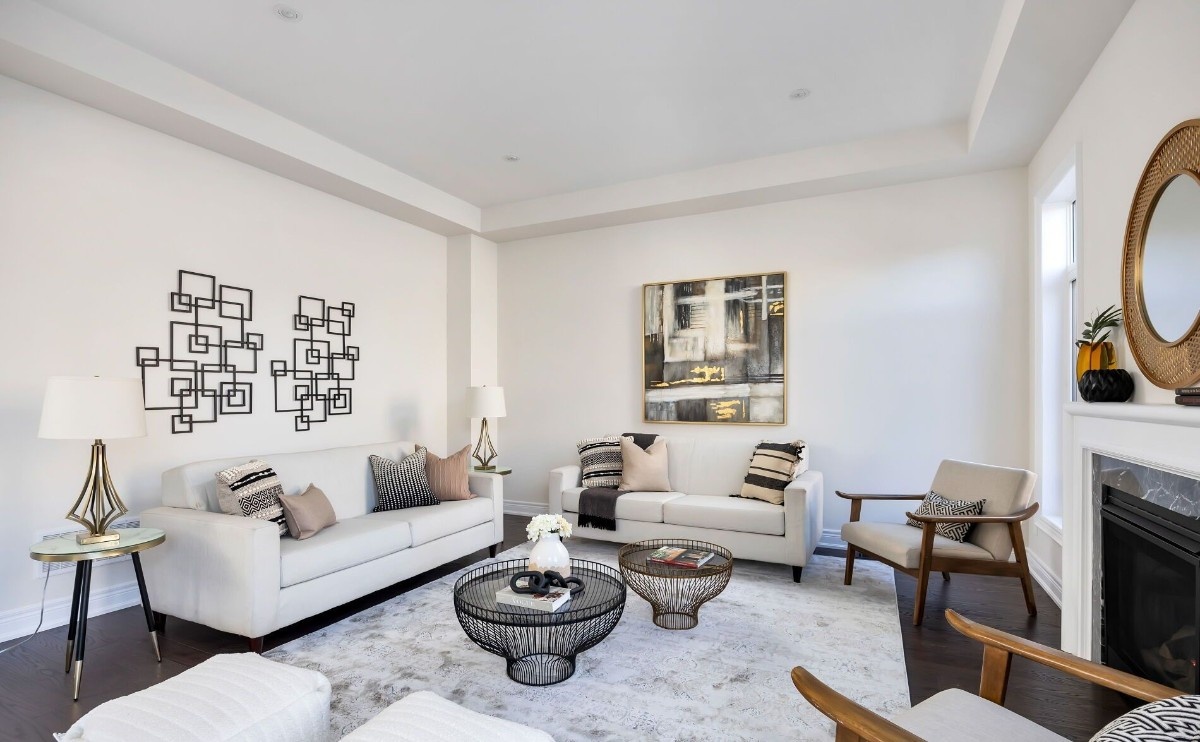
Condo Staging Costs: $2,000 – $5,000+
Condo staging is a different exercise from staging a house. Small floor plans demand furniture scaled to the space. Many units have limited natural light. High-rise logistics require coordination with building management. None of that is complicated for a stager with the right inventory and experience, but it does influence cost.
Condo staging in Toronto typically ranges from $2,000 to $5,000 for most units, depending on size and scope. Right-scale furniture, strategic mirror placement, and layered lighting work together to make a unit feel larger and more livable on camera and in person. Getting those elements right matters more than simply filling the space, which is why condo-specific experience and inventory is worth asking about when comparing stagers.
Other Costs to Budget For
Staging performs best when the underlying property is in good condition. These preparation costs are often necessary before the staging team arrives.
| Prep Service | Typical Cost (CAD) |
|---|---|
| Professional deep clean (2,000 sq. ft.) | $150 – $500 |
| Interior painting | $1.00 – $3.00 per sq. ft. |
| Minor wall repairs | $500 – $5,000 |
| Carpet cleaning | $35 – $55 per room |
| Decluttering services | $650 – $1,000+ |
| Light fixture upgrades | $80 – $350 per unit |
| Window washing | $4 – $15 per window |
Fresh paint is consistently one of the highest-return preparation investments. According to the RE/MAX Canada Renovation Investment Report, 36% of brokers surveyed said buyers want a fresh coat of paint when viewing a home. Neutral, light-reflecting tones photograph well and broaden buyer appeal.
Is Home Staging Worth It in 2026?
Toronto properties average around $1 million in value, with monthly carrying costs (mortgage, maintenance fees, utilities) running $4,000 to $5,000 or more. According to a study by the Real Estate Staging Association, staged homes spend 73% less time on the market than their unstaged counterparts. In practical terms for Toronto sellers, shaving weeks off a listing directly reduces carrying costs before you account for any improvement in sale price. A $2,500 staging investment on a $1,000,000 property that leads to a 3% improvement in final price returns $30,000 in additional gross revenue. That’s more than 10 times the staging cost.
The 2026 market makes that calculation more relevant than ever. TRREB’s 2026 Market Outlook describes higher inventory levels and cautious buyer sentiment across the GTA. With more listings competing for the same pool of buyers, presentation has more influence over which properties sell and at what price. The condo segment faces additional pressure. GTA median condo prices are forecast to fall 6.5% in 2026, driven by supply pressure and buyer hesitation. In that environment, staging is one of the most practical tools sellers can use to protect equity and stand out in a crowded field.
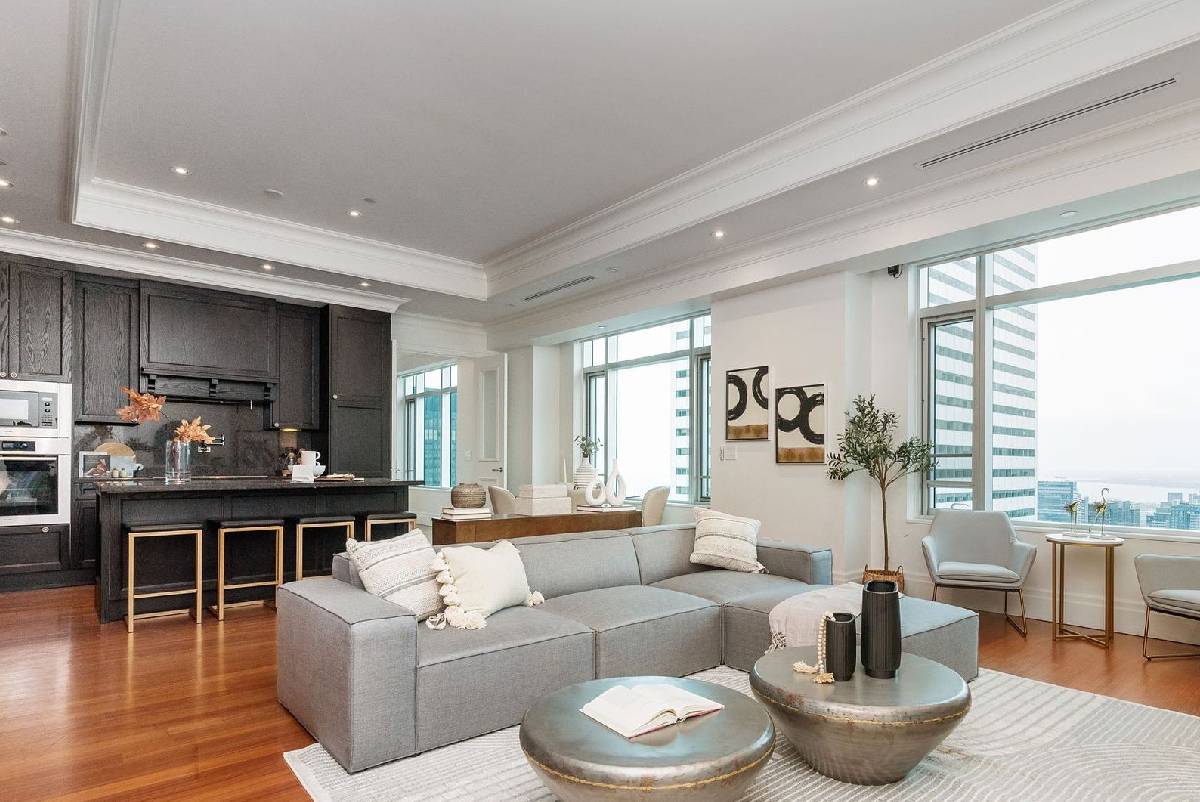
Mark Gilmore, a Toronto realtor with 33 years of experience, explains why he recommends staging on every listing:
How to Evaluate Staging Companies Beyond Price
Price comparison alone tends to leave sellers with the wrong stager. Here’s what else to look at:
- Inventory ownership: Companies that own their furniture can move faster and don’t add third-party rental markups. Ask whether they maintain a warehouse or source from external suppliers.
- Design expertise: Dedicated designers on staff produce different results than a coordinator who simply places furniture. The decisions around scale, proportion, and color are what make staging effective in listing photos.
- Communication standards: Real estate timelines move fast. You want a staging team that keeps you informed at every stage without you having to follow up.
- Credentials: RESA membership and designations like the Certified Ultimate Stager indicate a professional commitment to industry standards.
- Track record: Look at before-and-after photos for homes comparable to yours. Volume of verified reviews across a large number of projects tells a clearer story than a handful of testimonials.
StyleBite Staging holds RESA membership and the Certified Ultimate Stager designation, has staged over 1,000 homes across the GTA, and carries 100+ five-star Google reviews. You can browse their work in the before-and-after gallery.
Frequently Asked Questions About Home Staging Costs in Toronto
How Long Does Home Staging Last?
The standard rental period in Toronto is 30 days. If your home hasn’t sold within that window, most staging companies offer monthly extensions at an additional fee, typically 10–30% of the initial contract fee per 30-day period.
Do I Need to Stage Every Room?
No. Most stagers recommend focusing on the rooms that have the greatest impact on buyers: the living room, kitchen, and primary bedroom. Staging these three areas usually delivers the strongest return. Additional rooms can be added based on budget and the size of the property.
How Long Does Staging Installation Take?
For occupied and vacant staging, installation typically takes one day. Larger properties with multiple rooms may take longer. Destaging after the sale generally takes 2 to 4 hours.
When Should I Hire a Home Stager?
Before the listing photos are taken. Since most buyers first see a property online, the home needs to be staged and photo-ready before the photographer arrives. Hiring a stager after a listing has sat on the market is possible but means some potential buyers have already passed.
Does Home Staging Cost More for a Condo Than a House?
Not necessarily. Condo staging typically starts at the same price as vacant house staging because it still requires a complete furniture package. The main difference is logistics: high-rise buildings require elevator bookings and loading dock coordination, which can add time to the installation.
Is the Consultation Fee Refundable if I Don’t Proceed With Staging?
This varies by company. Many Toronto staging companies, including StyleBite Staging, credit the consultation fee toward the staging invoice if you move forward. If you don’t proceed, the fee is generally non-refundable, as it covers the stager’s time for the walkthrough and assessment.
Get a Quote for Your Property
If you’re preparing to sell in Toronto or the surrounding area, StyleBite Staging serves the full GTA, including Mississauga, Brampton, Markham, Richmond Hill, and surrounding communities.
Contact StyleBite Staging for a customized quote. They respond within 24 hours and can put together a proposal once they have the details on your property.