

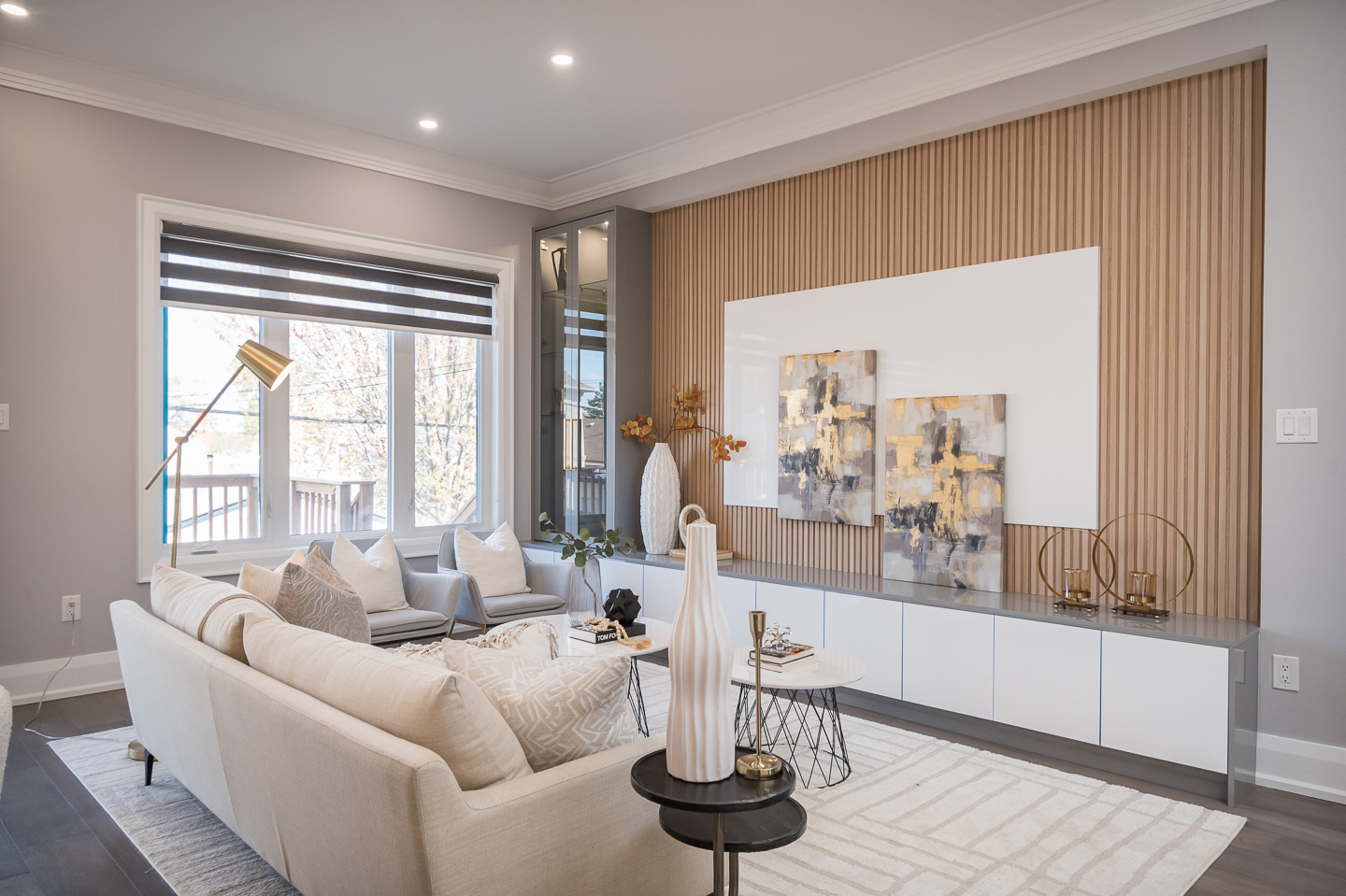
Choosing the right home staging company in Toronto comes down to five things: design capability, logistics capacity, communication, insurance coverage, and MLS compliance. In a market where properties are sitting longer and buyers have more options, the company you choose can directly affect how fast your home sells and what it sells for.
At StyleBite Staging, we’ve transformed over 1,000 homes across the Greater Toronto Area. Through that experience, we’ve seen firsthand what separates a smooth, profitable listing from a stressful one. More often than not, the process behind the furniture is what makes the difference.
This guide walks through what to look for, what to ask, and how to compare staging companies so you can make a confident decision.
Why Staging Selection Matters More in 2026
Toronto’s housing market has shifted. Sellers no longer have the luxury of listing a property and expecting multiple offers within days.
According to TRREB’s July 2026 data, the numbers tell a clear story:
| GTA Metric | July 2026 | July 2025 | Year-over-Year Change |
|---|---|---|---|
| Sales | 5,995 | 6,047 | -0.9% |
| Active listings | 26,098 | 29,707 | -12.1% |
| Average price | $1,003,956 | $1,051,600 | -4.5% |
| Avg. listing days on market | 32 | 30 | +6.7% |
| Avg. property days on market | 45 | 40 | +12.5% |
Source: Toronto Regional Real Estate Board (TRREB)
Properties are taking about five days longer to sell than they did a year ago, and prices are still below last summer’s levels. Inventory has tightened, which works in a seller’s favour, but buyers are being selective and homes are still averaging around a month and a half on market before they sell.
In this environment, staging quality has a bigger impact. It directly influences first impressions on listing portals, showing attendance, and whether a property feels fairly priced relative to similar homes on the market.
The company you choose is running a fast-turn marketing operation that combines design, logistics, and listing-media readiness. Decorating the house is only one part of the job.
What to Look for in a Toronto Staging Company
Not every staging company operates the same way. Here are the areas that matter most when you’re comparing options.
Design Range and Approach
A good stager doesn’t apply the same look to every property. A downtown condo needs different furniture, scale, and styling than a detached family home in the suburbs.
Ask to see portfolio work that matches your property type and price point. Pay attention to whether their designs feel tailored or templated. The best stagers make design decisions based on the property’s architecture, the neighborhood, and the likely buyer profile.
NAR’s 2025 staging research found that 83% of buyer agents said staging made it easier for buyers to picture themselves in the home. That only works if the staging resonates with the right audience.
At StyleBite, our designers create a custom plan to transform every property based on who’s most likely to buy it. A condo near King West gets different treatment than a family home in Oakville. You can see examples of this on our before and after page.
Inventory and Logistics Capacity
This is where a lot of sellers get surprised. A staging company might have great taste but limited inventory, meaning they can’t get you the right pieces when you need them. Or they rent from third-party suppliers, which introduces delays and limits their options.
When comparing companies, look for:
- Warehouse size and how much inventory they own outright
- Whether they handle their own logistics or outsource moving and delivery
- How many homes they can stage at the same time
- Stated install and de-staging timelines
Companies with more inventory can match styles more precisely, avoid substitutions, and move faster. In a market where “days lost” between preparation and launch can cost thousands in carrying costs, speed matters.
For reference, StyleBite works out of a 7,000 square foot warehouse and owns its entire inventory rather than renting from third-party suppliers. That’s enough furniture, artwork, and accessories to stage roughly 50 homes at the same time, which means we can commit to install dates during the busy spring and fall periods without waiting on a supplier’s availability.
Communication and Client Care
Poor communication is one of the most common complaints in the staging industry. You shouldn’t have to chase your stager for updates.
Before signing, ask how they’ll keep you informed. Do they provide updates when the team leaves the warehouse? When they arrive? When staging is complete? Do they share photos and videos of the result?
This might sound like a small thing. But when you’re coordinating a listing launch with your agent, photographer, and possibly a move, knowing exactly where things stand removes a lot of stress.
Insurance and Liability Coverage
A staging install involves movers, heavy furniture, and time pressure. Things can go wrong. You want a company that carries proper insurance as a standard business practice, not an afterthought.
Ask for proof of commercial general liability insurance. This covers third-party property damage and bodily injury claims. In Ontario, most businesses with employees must also register with WSIB within 10 calendar days of their first hire.
Asking for it is reasonable, and it makes sure you’re not exposed if something gets damaged during install or removal.
MLS Compliance Knowledge
This is a newer consideration that many sellers overlook. Ontario’s PropTx MLS system has become more explicit about image rules. Photos with marketing wording, digitally altered images that don’t accurately depict the property, and digital representations of people can all violate listing rules, with escalating fines.
If your staging company delivers “photo-ready” assets that include branded overlays or heavy AI edits, you may need to redo the work before your listing can go live.
The safest approach: ask your stager how they handle virtual staging and disclosure under PropTx rules. Get the answer in writing.
Credentials and Professional Affiliations
Staging certification isn’t a regulated license, but it’s still a useful signal when paired with a strong portfolio and reviews. Look for affiliations with organizations like the Real Estate Staging Association (RESA), which emphasizes business practices, continuing education, and risk management. StyleBite is a RESA member and holds the Certified Ultimate Stager™ certification. We also received the Consumer Choice Award in 2025.
How Much Does Home Staging Cost in Toronto?
Most home staging projects in Toronto range from $2,000 to $15,000 for full staging, with consultations starting around $150 to $600. The final cost depends on property type, size, number of rooms staged, and whether the home is vacant or occupied. Here are the general ranges you can use when comparing quotes.
| Service Type | Typical Toronto Range |
|---|---|
| Consultation only | $150 to $600 |
| Occupied staging | $1,495 to $3,495 |
| Vacant staging (full furnishing) | $2,000 to $15,000+ |
| Per-room monthly rental | $400 to $700 |
Sources: Savvy New Canadians, The Best Toronto
Treat these as ranges rather than fixed prices. They help you spot outliers and understand what a quote actually includes. A quote at the low end might cover fewer rooms or exclude accessories. A quote at the high end likely includes full furnishing of a large property.
When reviewing a quote, make sure it clearly addresses:
- Which rooms are staged (with an itemized inventory list or scope definition)
- Rental duration and extension costs
- Who’s responsible for damages and what counts as normal wear
- Delivery, setup, and pickup logistics
- Condo building requirements (elevator booking, COI, time windows) if applicable
At StyleBite, our consultation service starts at $250, and that fee is credited toward staging if you decide to proceed. Occupied staging ranges from $1,495 to $3,495, and vacant staging starts at $2,000. We provide detailed proposals so there are no surprises.

Which Rooms Should You Stage First?
The living room, primary bedroom, and kitchen have the most impact on buyer perception. If budget is a factor (and it usually is), those three rooms are where to focus first.
NAR’s 2025 research found that the most commonly staged rooms among seller agents were:
- Living room (91% of staged homes)
- Primary bedroom (83%)
- Dining room (69%)
- Kitchen (68%)
In terms of buyer impact, agents rated the living room as most important (37%), followed by the primary bedroom (34%) and kitchen (23%).
This gives you a practical “minimum viable staging scope.” If a company recommends staging every room in the house when your budget only supports three or four, ask them to justify why. A good stager allocates budget where it has the greatest effect on buyer perception.
Does Staging Actually Affect Sale Price and Time on Market?
Yes. NAR’s 2025 research found that 29% of agents reported staging led to a 1% to 10% increase in the dollar value offered. On the time-on-market side, 30% of seller agents observed slight decreases and 19% noted significant reductions when homes were staged.
Across the GTA, where the average selling price sits just above $1 million, even a small percentage increase in sale price can far exceed the cost of staging. Carrying costs (mortgage, maintenance fees, utilities) run $4,000 to $5,000 or more per month. Reducing time on market by even a few weeks has real financial value.
The more practical question is whether a specific company stages in a way that targets your buyer.
Questions to Ask Before Hiring a Staging Company
A short set of screening questions can quickly separate a professional staging operation from a company that just places furniture.
- What’s your lead time from consultation to install? Compare their answer for your property type (condo vs. detached). Faster isn’t always better, but you want predictability.
- Which rooms do you recommend staging first, and why? Their answer should reference buyer demographics, not just aesthetics. Compare it to the room-priority data above.
- Are your photos and deliverables PropTx-compliant? No wording overlays, no people in photos, no digitally altered images that misrepresent the property.
- What’s included in the monthly rental period? And what triggers extension fees? This is where vague contracts create problems.
- Can you provide a certificate of insurance? And clarify who carries worker injury coverage for your install crew.
- Can I see portfolio work that matches my property type and neighborhood? Ask them to explain their design choices, not just show you pretty rooms.
How to Compare Staging Companies Side by Side
When you’ve narrowed your list to two or three finalists, run them through the same evaluation. Here’s a framework:
| Evaluation Area | What to Compare |
|---|---|
| Design capability | Portfolio match to your property type, buyer-targeted approach |
| Pricing clarity | Itemized quotes, stated rental periods, extension terms |
| Logistics | Warehouse scale, install/de-stage timelines, in-house vs. outsourced |
| Communication | Update process, dedicated contact, responsiveness |
| Credentials | Insurance, RESA or other affiliations, certifications |
| Reviews | Volume, recency, and specificity of Google reviews (StyleBite has 100+) |
| Compliance | PropTx awareness, MLS-safe deliverables |
Weight these based on your situation. If you’re staging a condo with tight building rules and limited elevator access, logistics capacity might matter more than anything else. If your home has a unique architectural style, design range becomes the priority.
Getting Started
The best time to start talking to staging companies is before your listing photos are scheduled. Since the vast majority of buyers begin their search online, your home needs to be staged and looking its best when those photos are taken.
If you’re selling in the Greater Toronto Area and want to understand how staging could transform your listing, reach out to our team. We’ll walk you through the process, answer your questions, and put together a proposal based on your specific situation.