

Home staging is the process of preparing a property for sale by arranging furnishings and decor in a way that helps buyers picture themselves living there. In the GTA, it’s consistently one of the highest-return steps a seller can take before listing. RESA reports staged listings averaging 7% to 13% above asking price in 2025, and NAR’s latest data shows 83% of buyer’s agents say staging makes it easier for buyers to visualize a property as their future home. At StyleBite Staging, we’ve helped over 1,000 GTA homeowners and agents prepare their properties for market, and the questions below are the ones we hear most often.

What Is Home Staging?
Home staging is the art of presenting a property in a way that creates mass appeal for buyers. It can involve anything from decluttering and rearranging an occupied home’s existing furniture to fully furnishing an empty property with curated pieces, artwork, and accessories.
The distinction between staging and decorating is important. Decorating reflects personal taste. Staging is about helping as many buyers as possible picture their own life in the space. That means neutral tones, clean lines, thoughtful furniture placement, and the removal of anything too personal or distracting.
Well-executed staging makes a home feel like somewhere a buyer could move right in.
Does Home Staging Actually Work?
Yes. Multiple independent studies consistently show that staged homes sell faster and for more money than unstaged equivalents.
| Metric | Result | Source |
|---|---|---|
| Time on market | 49% of sellers’ agents observed staging reduced time on market | NAR, 2025 |
| Sale-to-list price ratio | 7% to 13% above asking on average | RESA, 2025 |
| Buyer visualization | 83% of buyer’s agents say staging helps buyers visualize the home | NAR |
| Average staging ROI | Approximately 2,300% to 4,400% return on investment | RESA |
For context on what these numbers look like in practice: a recent project we worked on in Mississauga sold for $2,935,000 in just five days after staging. An occupied home we prepared received 16 offers and sold in four days. Both results came from well-prepared homes meeting a ready pool of serious buyers.
How Much Does Home Staging Cost in Toronto?
Staging costs vary based on property size, type, and how much furniture is needed.
RESA data shows that most 60-day staging packages fall in the $1,000 to $6,000 range nationally, with NAR reporting a median staging cost of approximately $1,500. Larger properties, vacant homes, or extended rental periods sit on the higher end of that range.
In Toronto, the main service types and their typical cost ranges are:
Consultation only: Usually $200 to $300, often credited toward staging if you proceed. A staging consultation is a practical starting point if you’re unsure how much staging your property actually needs.
Occupied staging: Uses your existing furniture as the foundation, supplemented with selected accessories and pieces. Generally lower cost than vacant staging.
Vacant staging: Fully furnishes an empty property from scratch. See vacant home staging for a full breakdown of what this includes.
Condo staging: Tailored to smaller floor plans and the expectations of condo buyers specifically. Details at condo staging Toronto.
Staging is a marketing investment, and the ROI calculus is different from a renovation. With carrying costs on a typical Toronto property running $4,000 to $5,000 per month, shaving even two weeks off time on market can offset the staging fee before any increase in sale price is factored in.
Is Home Staging Worth the Cost?
Almost always. The return on staging is one of the strongest in residential real estate.
RESA’s 2025 data shows average returns ranging from approximately 2,000% to 4,000%, meaning every dollar spent on staging returned $23 to $44 in additional sale proceeds. For a million-dollar Toronto home, a 5% price premium adds $50,000. That far outpaces most staging fees.
Beyond sale price, there’s the carrying cost calculation. Staged homes spend fewer days on market, which means sellers avoid weeks or sometimes months of mortgage, maintenance, and utility costs.
We see this play out consistently. A condo we staged had been sitting on the market for over eight months without a single offer. One week after staging, it sold. The math is usually the same: faster sales reduce costs while higher offers increase proceeds.
How Long Does Home Staging Take?
Most staging projects are completed within one to three days of the initial consultation.
The typical timeline looks like this:
Consultation: 1 to 2 hours, either in person or via a remote video review for occupied properties.
Installation: Usually completed in one day for both occupied and vacant properties.
Total from first contact to listed: Typically a few days to one week, depending on scheduling and how quickly an occupied homeowner can complete prep work such as decluttering, cleaning, and minor fixes.
We provide a time estimate during the consultation so sellers know exactly what to expect. For tight listing timelines, our 7,000 square foot warehouse and full team mean we can often accommodate urgent requests.
When Should I Stage My Home?
Stage before professional listing photos are taken.
With virtually all buyers now beginning their home search online, your listing photos are effectively your first showing. They determine whether buyers click through or scroll past. Staging after photos are taken means buyers are already forming an impression based on an unstaged property, and first impressions don’t reset easily.
The right sequence is: consultation, implement prep recommendations, staging installation, professional photography, then listing goes live. This order ensures the photos reflect the property at its best from day one.
Which Rooms Should I Stage First?
Prioritize the living room, primary bedroom, and kitchen. These are the spaces buyers respond to most emotionally and that carry the most weight in their decision.
Living room: Typically the first room buyers visualize themselves in. Furniture scale, layout, and natural light all have a measurable impact on how buyers respond.
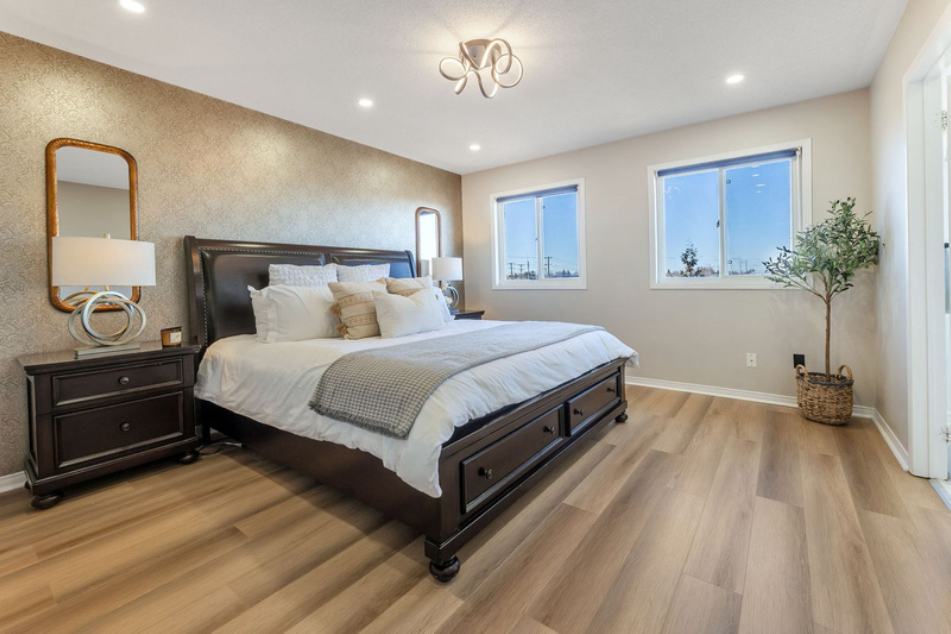
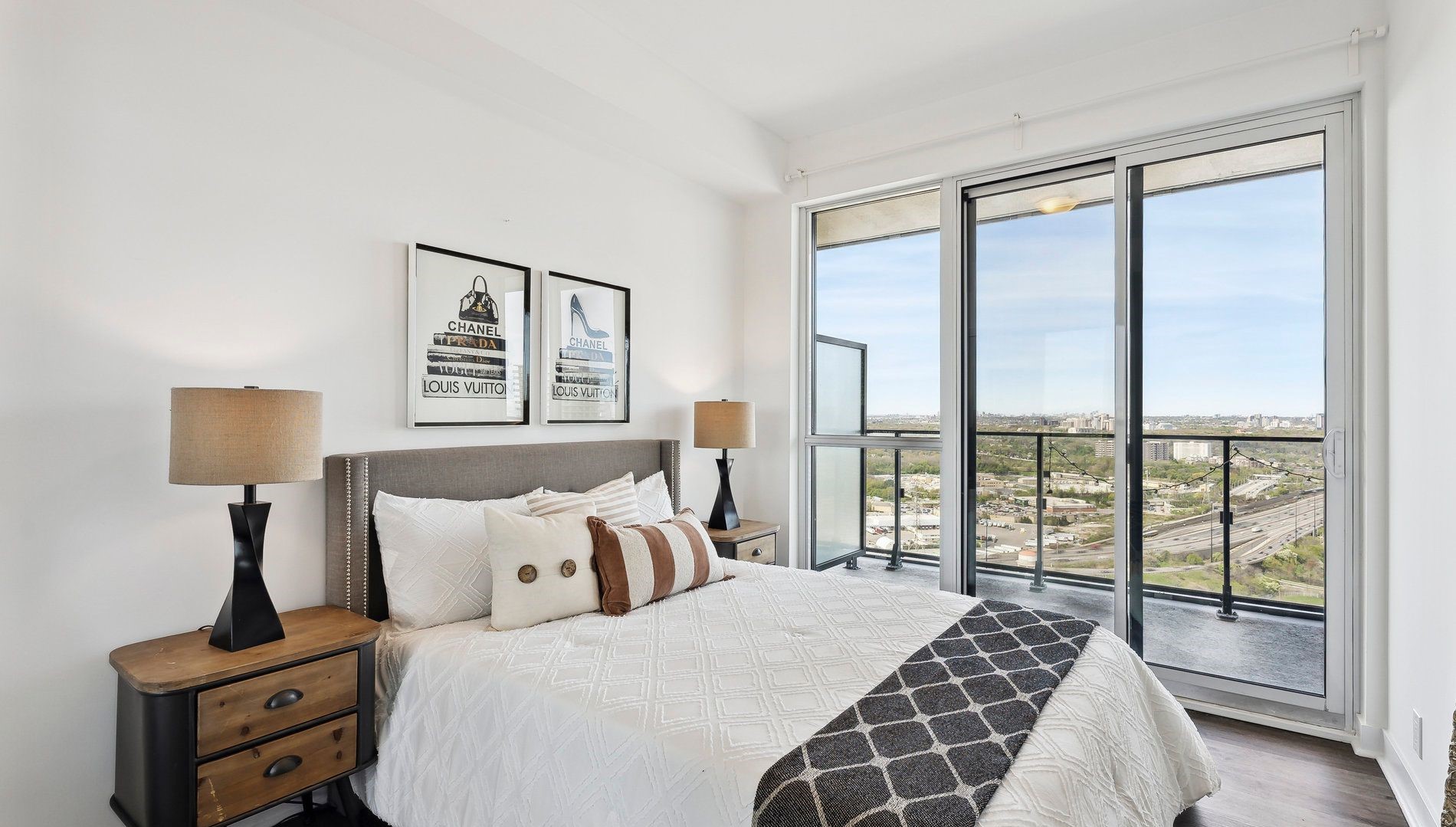
Primary bedroom: Buyers want to feel like they’re getting a retreat. Layered bedding, appropriate lighting, and uncluttered floor space make a significant difference in how the room photographs and feels in person.
Kitchen: Even modest improvements can shift how buyers perceive the whole property. Cleared countertops, fresh accessories, and updated hardware make a visible difference without requiring a renovation.
Secondary spaces like the dining room, home office, and bathrooms are worth addressing as budget allows. They contribute to overall impression even if they’re not the rooms buyers anchor their decisions on.
Do I Need Staging If My Home Is Already Furnished?
Yes, in most cases. Occupied staging and vacant staging address different problems, but both typically deliver strong results.
Furnished homes often have the opposite problem from empty ones: too much furniture, too many personal items, and layouts that work well for daily living but not for showings. Occupied staging uses your existing pieces as a foundation, then supplements with selected items to elevate the presentation and create the move-in ready feel that buyers respond to.
One of the most common misconceptions we see is sellers assuming their home doesn’t need staging because it’s nicely decorated. A well-decorated home reflects the current owner’s taste. Staging transforms it into a space that resonates with the widest possible range of buyers.
Who Pays for Staging?
Staging is most often paid for by the seller, though agents sometimes cover or contribute to the cost.
RESA data shows sellers directly funded 36% to 70% of staging fees depending on the quarter, with the remainder covered by agents or real estate teams. Some agents include basic staging as part of their listing preparation, particularly on higher-value properties.
For sellers thinking about it practically: staging costs come out of your proceeds, but so does every other sale cost. Staging is the rare cost that typically returns more than it takes.
What Staging Mistakes Should I Avoid?
The four most common mistakes we see Toronto sellers make:
Skipping professional photography: Staging without high-quality listing photos defeats the purpose. The photos are what buyers encounter first and what drives showing requests.
Leaving personal items on display: Family photos, collections, and highly personalized decor make it harder for buyers to picture themselves in the home. These should be packed away and replaced with neutral accessories.
Ignoring dated fixtures: Old light fixtures, cabinet hardware, and tired paint colors age a property quickly. Fresh paint and updated hardware are among the highest-return pre-staging improvements, typically costing very little relative to their visual impact.
Over-furnishing rooms: More furniture doesn’t signal more value. Rooms that feel open and spacious show better and photograph better. When in doubt, take pieces out rather than adding more.
How Do I Choose a Staging Company in Toronto?
Look for four things: owned inventory, a consistent portfolio, strong communication, and demonstrable results.
Owned inventory gives a stager control over quality and availability. Companies that source furniture from third-party rental suppliers are limited by what happens to be available, which restricts design flexibility and can create delays.
Portfolio consistency tells you whether the stager can handle your property type. A diverse portfolio covering condos, detached homes, luxury properties, and everything in between suggests real versatility. A narrow portfolio may mean limited inventory or experience.
Communication is underestimated more often than not. Real estate moves fast, and a staging company that’s slow to respond or difficult to reach creates unnecessary stress. Communication is the quality our clients mention most consistently in their reviews.
Results should be backed by something concrete: testimonials, before-and-after examples, or specific outcomes like days on market and sale price relative to asking.
StyleBite Staging carries over 100 five-star Google reviews and has staged more than 1,000 homes across the GTA. Our credentials include the Certified Ultimate Stager designation, RESA membership, and the Consumer Choice Award 2025. We also back our work with a sold guarantee: if your property doesn’t sell within 30 days of staging, we provide two additional months of staging at no charge. You can browse our portfolio on the before and after page to see the range of properties and transformations we’ve completed.
Stage Your Home, Sell for More
Thinking about staging your home? Reach out to our team for a quote, and we’ll walk you through exactly what your property needs.